What to Do When Moths Invade Your Wardrobe: A Comprehensive Guide
Discovering moths in your wardrobe can be a distressing experience, signaling potential damage to your cherished clothing and textiles. These tiny pests, particularly clothes moths, are notorious for feasting on natural fibers like wool, silk, fur, and even cotton blends. If you're asking "was tun bei motten im kleiderschrank" (what to do about moths in the wardrobe), you're in the right place. This comprehensive guide will walk you through identifying, eliminating, and preventing moth infestations, helping you reclaim your wardrobe and protect your garments.
Identifying the Enemy: Clothes Moths vs. Pantry Moths
Before you embark on a moth eradication mission, it's crucial to identify the type of moth you're dealing with. While both are unwelcome guests, their habits and control methods differ.
Understanding Clothes Moths (Tineola bisselliella and Tinea pellionella)
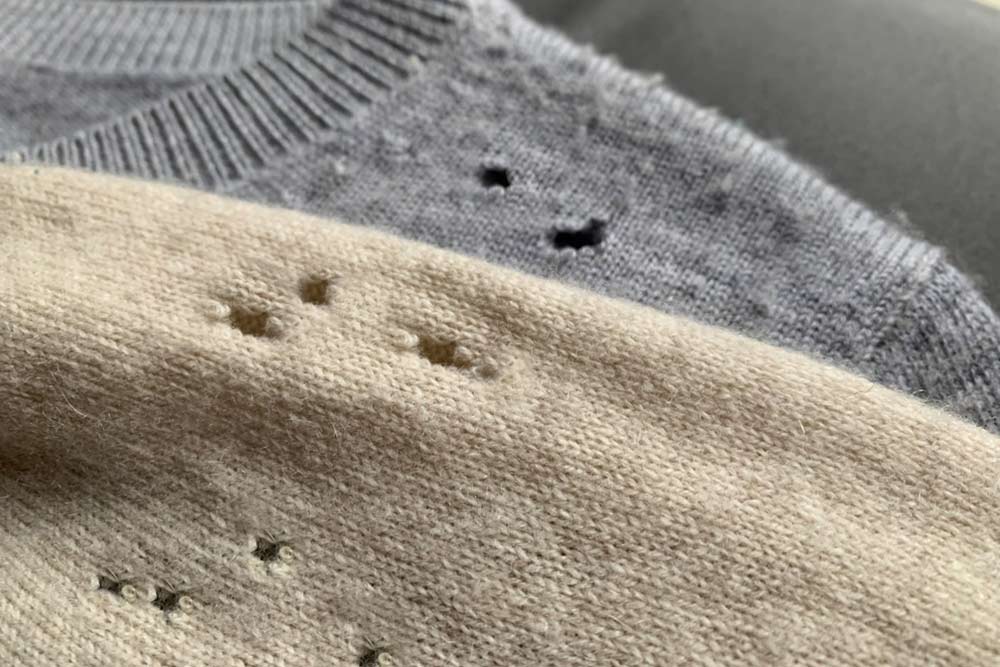
Clothes moths are the primary culprits behind fabric damage. There are two common species: the webbing clothes moth and the casemaking clothes moth. They are small, typically about 1/2 inch long, with dull golden or brownish wings. Unlike many other moths, clothes moths prefer dark, undisturbed areas, so you might not often see them flying around your home.

Signs of infestation include:
- Holes in fabrics: Irregular holes in clothing, especially natural fibers.
- Larvae: Small, cream-colored larvae (up to 1/2 inch long) crawling on clothes or within the wardrobe. These are the damaging stage of the moth.
- Webbing: Silken tubes or patches, often found in hidden areas of garments or corners of the wardrobe. Casemaking moths create a silken case they carry with them.
- Frass: Tiny fecal pellets that look like sand or dust.
- Adult moths: Although less common, you might spot small, weak-flying moths flitting around.
Distinguishing from Pantry Moths
Pantry moths (e.g., Indian meal moth) are typically found in kitchen cupboards, infesting dry goods like flour, cereals, and pet food. They are usually larger and have more distinct wing patterns (often bronze on the outer half of their wings). If your infestation is confined to food items, you're likely dealing with pantry moths, which require a different approach focusing on food storage.
Immediate Action: First Steps to Tackle a Moth Infestation
Once you've confirmed you have clothes moths, swift action is key to prevent further damage and spread. Here's how to start:
Empty and Inspect Your Wardrobe Thoroughly
The first step is to completely empty your wardrobe. Take out every single item – clothes, shoes, bags, hangers, and any other belongings. Carefully inspect each garment, paying close attention to seams, collars, cuffs, and any hidden folds where larvae might be hiding. Check the corners, cracks, and crevices of the wardrobe itself for any signs of webbing, larvae, or eggs.
Deep Clean the Wardrobe and Surrounding Area
After emptying, it's time for a thorough cleaning:
- Vacuum: Use a powerful vacuum cleaner with a hose attachment to meticulously clean every inch of the wardrobe – shelves, drawers, walls, floor, and even the ceiling. Pay special attention to corners, cracks, and behind shelf liners. Dispose of the vacuum bag immediately outside your home to prevent re-infestation.
- Wipe Down: Wipe all surfaces inside the wardrobe with a mixture of equal parts white vinegar and water. Vinegar acts as a natural disinfectant and repellent. For tougher spots, you can use a mild soap and water solution, ensuring you rinse and dry thoroughly.
- Clean the Area: Extend your cleaning to the surrounding area, including carpets, rugs, and baseboards near the wardrobe. Moths and their larvae can hide in these spots too.
Treat Affected Clothing and Textiles
Every item removed from the wardrobe needs to be treated, regardless of whether you see visible damage:
- Launder or Dry Clean: Wash all washable items in hot water (at least 120°F/49°C) if the fabric allows, as high temperatures kill moths, larvae, and eggs. Dry them on high heat for at least 30 minutes. For delicate items or those marked "dry clean only," take them to a professional dry cleaner, informing them of the moth issue.
- Freezing: For items that cannot be washed or dry cleaned, freezing can be effective. Place garments in airtight plastic bags and freeze them for at least 72 hours at 0°F (-18°C) or below. Allow them to thaw completely before repeating the freezing process once more to ensure any surviving eggs are killed.
- Sunlight Exposure: Direct sunlight can also kill moth larvae. If practical, place infested items outside on a sunny day for several hours.
Effective Solutions: Natural Repellents and Commercial Products
Once the initial clean-up is done, you'll want to implement ongoing solutions to deter moths and catch any stragglers.
Harnessing the Power of Natural Deterrents
Many natural substances are known to repel moths due to their strong scents.
Cedarwood: A Timeless Moth Repellent
Cedar has long been a popular choice for moth deterrence. The natural oils in cedarwood, specifically Eastern Red Cedar, are toxic to moth larvae. Place cedar blocks, hangers, or shavings in your wardrobe and drawers. Remember that the scent diminishes over time, so you'll need to sand cedar items annually to refresh their potency or replace them.
Essential Oils: Lavender, Rosemary, and Clove
Certain essential oils emit fragrances that moths dislike. Lavender, rosemary, peppermint, clove, and eucalyptus oils are good options. Create sachets with dried herbs or cotton balls soaked in these essential oils and place them strategically in your wardrobe. Ensure the cotton balls don't directly touch clothing to avoid oil stains.
Herbal Sachets and Dried Botanicals
Beyond essential oils, sachets filled with dried herbs like bay leaves, cloves, and dried lemon peel can also act as natural deterrents. Replace these sachets every few months to maintain their effectiveness.
Vinegar: A Natural Cleaning and Repelling Agent
As mentioned in the cleaning step, white vinegar is not just for cleaning; its strong scent can also help repel moths. Regularly wiping down wardrobe interiors with a diluted vinegar solution can contribute to a moth-free environment.
Utilizing Commercial Moth Control Products
For more persistent infestations or added peace of mind, commercial products can be highly effective.
Pheromone Traps: Luring and Catching Adult Moths
Pheromone traps use synthetic moth pheromones to attract and trap adult male clothes moths, thereby disrupting their breeding cycle. These traps are excellent for monitoring moth activity and reducing the male population, but they don't directly eliminate larvae or eggs.
Mothballs and Moth Papers (Use with Caution)
Mothballs contain naphthalene or paradichlorobenzene, chemicals that kill moths and larvae. However, they emit a strong odor and their fumes can be harmful to humans and pets if not used in well-ventilated, enclosed spaces. Moth papers offer a milder alternative but should still be used according to package instructions and with caution.
Insecticide Sprays (When and How to Use)
For severe infestations, you might consider insecticide sprays specifically designed for clothes moths. Always choose products with active ingredients targeting clothes moths and follow all instructions carefully regarding ventilation, application, and safety precautions. Consider using these as a last resort or after consulting a professional.
Long-Term Prevention: Keeping Moths Out for Good
Preventing future infestations is easier and less stressful than dealing with an active one. Incorporate these habits into your routine:
Regular Cleaning and Maintenance Routine
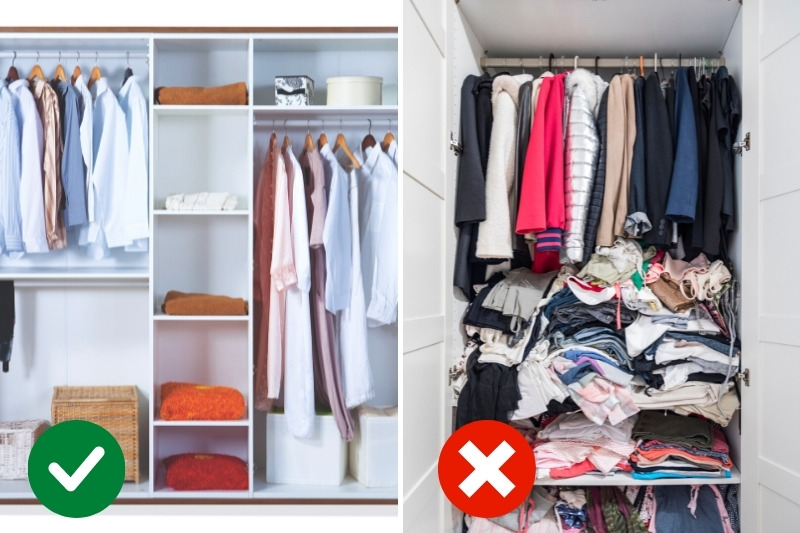
Consistency is key. Regularly vacuum your closets, drawers, and surrounding floors. Dust shelves and wipe down surfaces to remove any dust, hair, or lint, which can be food sources for moth larvae. Declutter your wardrobe periodically to reduce hiding spots and allow for better air circulation.
Proper Storage Techniques
The way you store your clothes significantly impacts moth prevention:
- Clean Clothes Only: Always store clothes clean. Moths are attracted to human sweat, body oils, and food stains.
- Airtight Containers: For seasonal or rarely worn items, store them in airtight containers, vacuum-sealed bags, or garment bags. This prevents moths from reaching them.
- Avoid Overcrowding: Don't overcrowd your wardrobe. Moths thrive in undisturbed, dark spaces. Allow for air circulation between garments.
Temperature and Humidity Control
Moths prefer warm, humid environments. Keep your home cool and dry, especially in closets and storage areas. Dehumidifiers can be helpful in particularly damp climates or rooms.
When to Call the Professionals
While many moth infestations can be managed with DIY methods, there are times when professional help is advisable. If your infestation is widespread, recurrent despite your best efforts, or if you have highly valuable or delicate textiles, a professional pest control service can provide targeted and effective solutions. They can identify the exact species of moth, assess the extent of the damage, and apply stronger treatments safely.
Frequently Asked Questions (FAQs)
What kills moths in a wardrobe?
Several methods can kill moths, larvae, and eggs in a wardrobe. High heat (washing in hot water, tumble drying, steaming), freezing (72+ hours at 0°F/-18°C), and chemical insecticides (mothballs, sprays specifically for clothes moths) are all effective. Natural repellents like cedar and essential oils deter them but may not kill existing infestations.
Can moth infestations spread quickly?
Yes, clothes moth infestations can spread relatively quickly, especially if left unchecked. A single female moth can lay dozens of eggs, and the larvae can hatch and begin feeding within days or weeks, leading to significant damage in a short period. Early detection and swift action are crucial.
How do I permanently get rid of clothes moths?
Permanently eradicating clothes moths requires a multi-faceted approach: thorough cleaning (vacuuming, wiping), treating all infested items (washing, freezing), applying repellents (cedar, essential oils, pheromone traps), and implementing strict preventative measures (proper storage, regular maintenance). Consistency in these practices is key to long-term success.
How long does it take to get rid of moths?
The time it takes to get rid of moths can vary depending on the severity of the infestation. A minor localized issue might be resolved in a few weeks with diligent cleaning and treatment. However, a widespread or persistent infestation could take several months of continuous effort, including monitoring with pheromone traps, to ensure all life cycles are broken and no new generations emerge.
Conclusion: Reclaiming Your Wardrobe
Dealing with moths in your wardrobe can be frustrating, but with a systematic approach, you can effectively eliminate these pests and protect your clothing. From identifying the type of moth to deep cleaning, treating affected items, and implementing preventative strategies, each step plays a vital role. By staying vigilant and adopting good storage habits, you can ensure your wardrobe remains a sanctuary for your clothes, free from unwelcome moth invaders.

