How to Handle Moths in Your Wardrobe for Good
What to Do When Moths Invade Your Wardrobe: A Comprehensive Guide
Discovering moths in your wardrobe can be a distressing experience, signaling potential damage to your cherished clothing and textiles. These tiny pests, particularly clothes moths, are notorious for feasting on natural fibers like wool, silk, fur, and even cotton blends. If you're asking "was tun bei motten im kleiderschrank" (what to do about moths in the wardrobe), you're in the right place. This comprehensive guide will walk you through identifying, eliminating, and preventing moth infestations, helping you reclaim your wardrobe and protect your garments.
Identifying the Enemy: Clothes Moths vs. Pantry Moths
Before you embark on a moth eradication mission, it's crucial to identify the type of moth you're dealing with. While both are unwelcome guests, their habits and control methods differ.
Understanding Clothes Moths (Tineola bisselliella and Tinea pellionella)
Clothes moths are the primary culprits behind fabric damage. There are two common species: the webbing clothes moth and the casemaking clothes moth. They are small, typically about 1/2 inch long, with dull golden or brownish wings. Unlike many other moths, clothes moths prefer dark, undisturbed areas, so you might not often see them flying around your home.

Signs of infestation include:
- Holes in fabrics: Irregular holes in clothing, especially natural fibers.
- Larvae: Small, cream-colored larvae (up to 1/2 inch long) crawling on clothes or within the wardrobe. These are the damaging stage of the moth.
- Webbing: Silken tubes or patches, often found in hidden areas of garments or corners of the wardrobe. Casemaking moths create a silken case they carry with them.
- Frass: Tiny fecal pellets that look like sand or dust.
- Adult moths: Although less common, you might spot small, weak-flying moths flitting around.
Distinguishing from Pantry Moths
Pantry moths (e.g., Indian meal moth) are typically found in kitchen cupboards, infesting dry goods like flour, cereals, and pet food. They are usually larger and have more distinct wing patterns (often bronze on the outer half of their wings). If your infestation is confined to food items, you're likely dealing with pantry moths, which require a different approach focusing on food storage.
Immediate Action: First Steps to Tackle a Moth Infestation
Once you've confirmed you have clothes moths, swift action is key to prevent further damage and spread. Here's how to start:
Empty and Inspect Your Wardrobe Thoroughly
The first step is to completely empty your wardrobe. Take out every single item – clothes, shoes, bags, hangers, and any other belongings. Carefully inspect each garment, paying close attention to seams, collars, cuffs, and any hidden folds where larvae might be hiding. Check the corners, cracks, and crevices of the wardrobe itself for any signs of webbing, larvae, or eggs.
Deep Clean the Wardrobe and Surrounding Area
After emptying, it's time for a thorough cleaning:
- Vacuum: Use a powerful vacuum cleaner with a hose attachment to meticulously clean every inch of the wardrobe – shelves, drawers, walls, floor, and even the ceiling. Pay special attention to corners, cracks, and behind shelf liners. Dispose of the vacuum bag immediately outside your home to prevent re-infestation.
- Wipe Down: Wipe all surfaces inside the wardrobe with a mixture of equal parts white vinegar and water. Vinegar acts as a natural disinfectant and repellent. For tougher spots, you can use a mild soap and water solution, ensuring you rinse and dry thoroughly.
- Clean the Area: Extend your cleaning to the surrounding area, including carpets, rugs, and baseboards near the wardrobe. Moths and their larvae can hide in these spots too.
Treat Affected Clothing and Textiles
Every item removed from the wardrobe needs to be treated, regardless of whether you see visible damage:

- Launder or Dry Clean: Wash all washable items in hot water (at least 120°F/49°C) if the fabric allows, as high temperatures kill moths, larvae, and eggs. Dry them on high heat for at least 30 minutes. For delicate items or those marked "dry clean only," take them to a professional dry cleaner, informing them of the moth issue.
- Freezing: For items that cannot be washed or dry cleaned, freezing can be effective. Place garments in airtight plastic bags and freeze them for at least 72 hours at 0°F (-18°C) or below. Allow them to thaw completely before repeating the freezing process once more to ensure any surviving eggs are killed.
- Sunlight Exposure: Direct sunlight can also kill moth larvae. If practical, place infested items outside on a sunny day for several hours.
Effective Solutions: Natural Repellents and Commercial Products
Once the initial clean-up is done, you'll want to implement ongoing solutions to deter moths and catch any stragglers.
Harnessing the Power of Natural Deterrents
Many natural substances are known to repel moths due to their strong scents.
Cedarwood: A Timeless Moth Repellent
Cedar has long been a popular choice for moth deterrence. The natural oils in cedarwood, specifically Eastern Red Cedar, are toxic to moth larvae. Place cedar blocks, hangers, or shavings in your wardrobe and drawers. Remember that the scent diminishes over time, so you'll need to sand cedar items annually to refresh their potency or replace them.
Essential Oils: Lavender, Rosemary, and Clove
Certain essential oils emit fragrances that moths dislike. Lavender, rosemary, peppermint, clove, and eucalyptus oils are good options. Create sachets with dried herbs or cotton balls soaked in these essential oils and place them strategically in your wardrobe. Ensure the cotton balls don't directly touch clothing to avoid oil stains.
Herbal Sachets and Dried Botanicals
Beyond essential oils, sachets filled with dried herbs like bay leaves, cloves, and dried lemon peel can also act as natural deterrents. Replace these sachets every few months to maintain their effectiveness.
Vinegar: A Natural Cleaning and Repelling Agent
As mentioned in the cleaning step, white vinegar is not just for cleaning; its strong scent can also help repel moths. Regularly wiping down wardrobe interiors with a diluted vinegar solution can contribute to a moth-free environment.
Utilizing Commercial Moth Control Products
For more persistent infestations or added peace of mind, commercial products can be highly effective.
Pheromone Traps: Luring and Catching Adult Moths
Pheromone traps use synthetic moth pheromones to attract and trap adult male clothes moths, thereby disrupting their breeding cycle. These traps are excellent for monitoring moth activity and reducing the male population, but they don't directly eliminate larvae or eggs.
Mothballs and Moth Papers (Use with Caution)
Mothballs contain naphthalene or paradichlorobenzene, chemicals that kill moths and larvae. However, they emit a strong odor and their fumes can be harmful to humans and pets if not used in well-ventilated, enclosed spaces. Moth papers offer a milder alternative but should still be used according to package instructions and with caution.
Insecticide Sprays (When and How to Use)
For severe infestations, you might consider insecticide sprays specifically designed for clothes moths. Always choose products with active ingredients targeting clothes moths and follow all instructions carefully regarding ventilation, application, and safety precautions. Consider using these as a last resort or after consulting a professional.
Long-Term Prevention: Keeping Moths Out for Good
Preventing future infestations is easier and less stressful than dealing with an active one. Incorporate these habits into your routine:
Regular Cleaning and Maintenance Routine
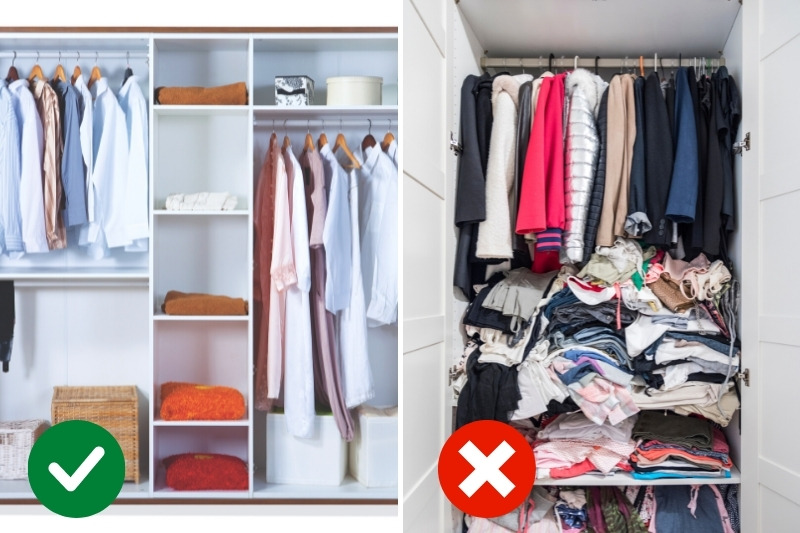
Consistency is key. Regularly vacuum your closets, drawers, and surrounding floors. Dust shelves and wipe down surfaces to remove any dust, hair, or lint, which can be food sources for moth larvae. Declutter your wardrobe periodically to reduce hiding spots and allow for better air circulation.
Proper Storage Techniques
The way you store your clothes significantly impacts moth prevention:
- Clean Clothes Only: Always store clothes clean. Moths are attracted to human sweat, body oils, and food stains.
- Airtight Containers: For seasonal or rarely worn items, store them in airtight containers, vacuum-sealed bags, or garment bags. This prevents moths from reaching them.
- Avoid Overcrowding: Don't overcrowd your wardrobe. Moths thrive in undisturbed, dark spaces. Allow for air circulation between garments.
Temperature and Humidity Control
Moths prefer warm, humid environments. Keep your home cool and dry, especially in closets and storage areas. Dehumidifiers can be helpful in particularly damp climates or rooms.
When to Call the Professionals
While many moth infestations can be managed with DIY methods, there are times when professional help is advisable. If your infestation is widespread, recurrent despite your best efforts, or if you have highly valuable or delicate textiles, a professional pest control service can provide targeted and effective solutions. They can identify the exact species of moth, assess the extent of the damage, and apply stronger treatments safely.
Frequently Asked Questions (FAQs)
What kills moths in a wardrobe?
Several methods can kill moths, larvae, and eggs in a wardrobe. High heat (washing in hot water, tumble drying, steaming), freezing (72+ hours at 0°F/-18°C), and chemical insecticides (mothballs, sprays specifically for clothes moths) are all effective. Natural repellents like cedar and essential oils deter them but may not kill existing infestations.
Can moth infestations spread quickly?
Yes, clothes moth infestations can spread relatively quickly, especially if left unchecked. A single female moth can lay dozens of eggs, and the larvae can hatch and begin feeding within days or weeks, leading to significant damage in a short period. Early detection and swift action are crucial.
How do I permanently get rid of clothes moths?
Permanently eradicating clothes moths requires a multi-faceted approach: thorough cleaning (vacuuming, wiping), treating all infested items (washing, freezing), applying repellents (cedar, essential oils, pheromone traps), and implementing strict preventative measures (proper storage, regular maintenance). Consistency in these practices is key to long-term success.
How long does it take to get rid of moths?
The time it takes to get rid of moths can vary depending on the severity of the infestation. A minor localized issue might be resolved in a few weeks with diligent cleaning and treatment. However, a widespread or persistent infestation could take several months of continuous effort, including monitoring with pheromone traps, to ensure all life cycles are broken and no new generations emerge.
Conclusion: Reclaiming Your Wardrobe
Dealing with moths in your wardrobe can be frustrating, but with a systematic approach, you can effectively eliminate these pests and protect your clothing. From identifying the type of moth to deep cleaning, treating affected items, and implementing preventative strategies, each step plays a vital role. By staying vigilant and adopting good storage habits, you can ensure your wardrobe remains a sanctuary for your clothes, free from unwelcome moth invaders.
Memilih Lampu Gantung Sempurna untuk Meja Tamu Anda
Illuminating Your Living Room: Choosing the Perfect Pendant Light for Your Coffee Table
The living room is often the heart of the home, a space for relaxation, entertainment, and connection. Central to its design and functionality is the lighting, and perhaps no fixture holds more transformative power than a well-chosen pendant light above your living room table. More than just a source of illumination, the right pendant can elevate the aesthetic, define zones, and create an inviting ambiance. But with a myriad of styles, sizes, and functionalities available, how do you pick the perfect one? This comprehensive guide will illuminate the path, helping you navigate the options and integrate the latest living room lighting trends into your home.
Why a Pendant Light Over Your Living Room Table?
While floor lamps and table lamps offer ambient and task lighting, a pendant light over a living room coffee table introduces a crucial element: overhead illumination. This central light source can effectively anchor the seating area, drawing attention to the coffee table as a focal point. Beyond its aesthetic appeal, a pendant light provides practical benefits:
- Enhanced Ambiance: A carefully selected pendant can cast a warm, inviting glow, setting the mood for cozy evenings or lively gatherings.
- Task Lighting: For activities like reading or board games around the coffee table, a pendant can provide direct and sufficient light.
- Design Statement: It acts as a piece of art, adding architectural interest and reflecting your personal style.
- Space Definition: In open-plan living areas, a pendant light can visually define the living room zone, separating it from dining or kitchen areas.
Exploring Modern Living Room Pendant Light Ideas and Trends
The world of interior design is constantly evolving, and living room lighting trends are no exception. For 2026 and beyond, designers are emphasizing warmth, personality, and thoughtful design. Here are some popular directions to consider:
Sculptural and Statement Pendants
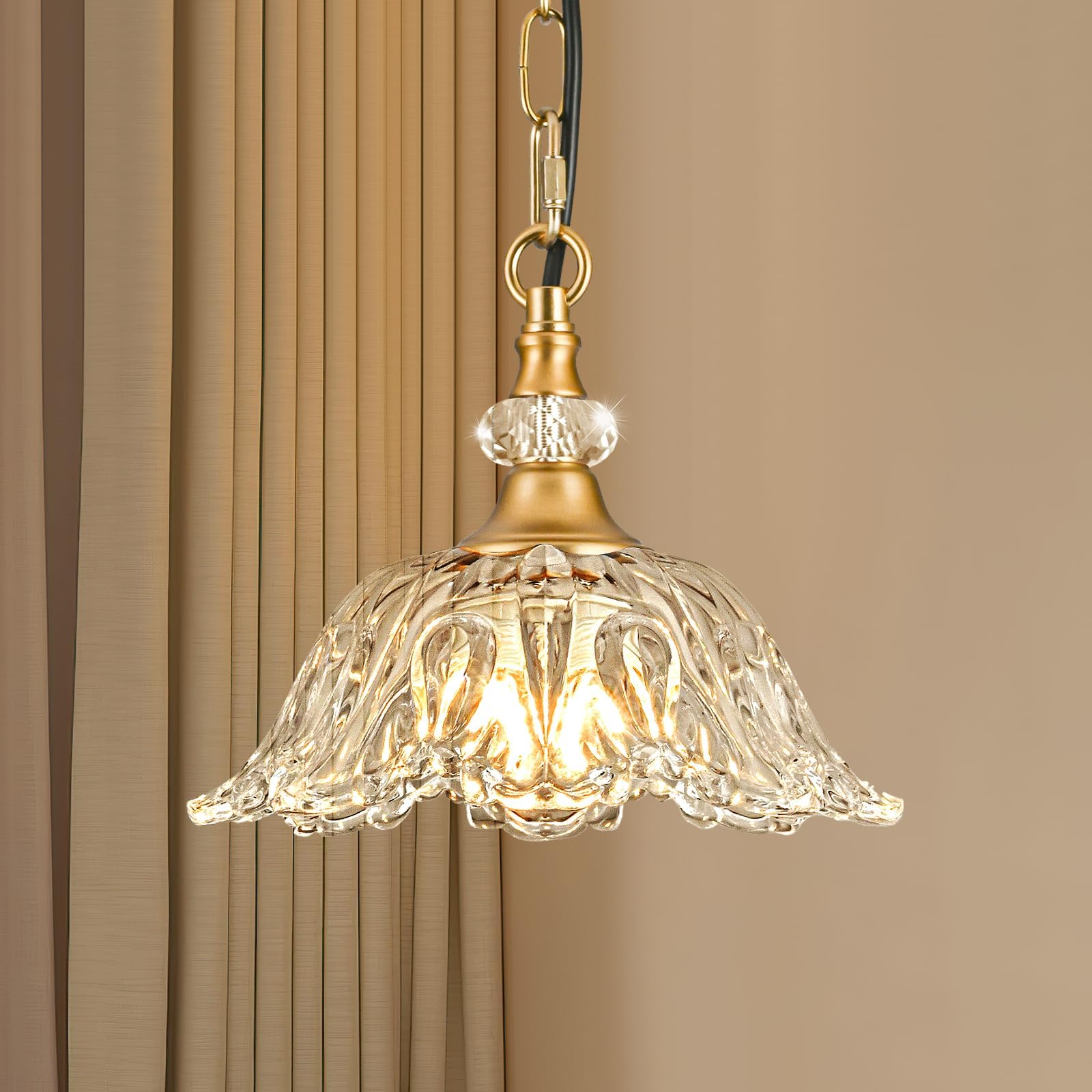
Forget subtle lighting; today's trends lean towards pendant lights that double as sculptural art. Think oversized fixtures, unique geometric shapes, or organic forms that become conversation starters. Materials like textured glass, woven rattan, and even delicate fringe (as seen with Chrissy Teigen and John Legend's lamp) are making waves, adding visual depth and character. These living room pendant light ideas are perfect for those looking to inject a bold personality into their space.

Vintage-Inspired Charm
Nostalgia is a powerful design force, and vintage lighting trends are firmly back in vogue. From classic mid-century modern designs to ornate 19th-century revivals, bringing a touch of history to your living room table lighting can add timeless elegance. Tiffany lamps, with their distinctive stained glass, are also experiencing a resurgence, offering a warm, diffused glow and a pop of color.
Minimalist Elegance and Scandinavian Influence
For those who prefer understated sophistication, minimalist pendant lights remain a strong choice. Clean lines, simple forms, and neutral palettes characterize these fixtures. Scandinavian design continues to influence, focusing on functionality, natural materials, and a sense of calm. These pendant lamps for living room spaces integrate seamlessly without overwhelming the decor.

Smart Lighting Integration
Beyond aesthetics, technology is playing a significant role in modern living room lighting. Smart pendant lights offer unparalleled control over brightness, color temperature, and even scheduling, all from your smartphone or voice assistant. This allows for dynamic adjustments to match any mood or activity, enhancing both comfort and energy efficiency.
Key Considerations When Choosing Your Pendant Light
Selecting the ideal pendant light requires more than just admiring a beautiful design. Several practical factors need careful consideration to ensure it complements your living room and provides optimal illumination.
Size and Scale: A Proportional Approach
One of the most crucial aspects is ensuring the pendant light is proportionate to your living room table and the overall room size. A general rule of thumb is to choose a fixture that is roughly half to two-thirds the width of your coffee table. For larger, open-plan spaces or grand living rooms, a more substantial pendant can make a striking statement. Conversely, a smaller, more delicate fixture might be better suited for compact areas, preventing it from overwhelming the space.
Height and Clearance: Finding the Sweet Spot
The height at which your pendant light hangs is vital for both aesthetics and functionality. As a general guideline, the bottom of the pendant should be approximately 30-36 inches (75-90 cm) above the surface of your living room coffee table. This height prevents people from bumping their heads while seated and ensures the light is evenly distributed without creating glare. However, this can vary based on the ceiling height and the specific design of the fixture. Taller ceilings might allow for a slightly higher hang, while a very large or visually heavy pendant might benefit from being a bit higher to maintain clear sightlines.
Lighting Type and Functionality: Layering for Success
Effective living room table lighting involves more than just a single pendant. A layered lighting scheme, combining ambient, task, and accent lighting, creates depth and versatility. Your pendant light typically serves as a primary source of ambient or task lighting. Consider the type of light bulb (warm white for coziness, cool white for alertness) and whether the fixture offers dimming capabilities for ultimate flexibility in setting the mood. If your living room lacks natural light, a pendant can significantly brighten the space when paired with other light sources.
Style and Material: Harmonizing with Your Decor
The pendant light should harmonize with your existing interior design style. Do you have a minimalist, industrial, bohemian, or classic decor? Materials play a significant role here:
- Metal (Brass, Copper, Black Iron): Offers a contemporary or industrial edge.
- Glass (Clear, Frosted, Textured): Provides a softer, more diffused light and can blend seamlessly.
- Wood or Rattan: Adds natural warmth and a touch of bohemian or Scandinavian flair.
- Fabric Shades: Creates a soft, inviting glow and comes in various colors and patterns to match your decor.
Installation and Safety Tips for Pendant Lights Over Your Table
While installing a pendant light can be a rewarding DIY project, it often involves electrical work and should be approached with caution. If you're not comfortable with electrical installations, it's always best to hire a qualified electrician. Ensure the fixture is securely mounted to a ceiling joist or appropriate electrical box to support its weight. Always turn off the power at the circuit breaker before beginning any electrical work.
Conclusion: Brightening Your Living Space with the Perfect Pendant
Choosing the ideal pendant light for your living room coffee table is an opportunity to combine functionality with stunning design. By considering size, height, lighting type, and overall style, you can select a fixture that not only illuminates your space but also enhances its character and sets the perfect ambiance. Embrace the latest living room lighting trends, from sculptural statements to vintage revivals, or opt for timeless minimalist elegance. With thoughtful consideration, your chosen pendant light will become a cherished focal point, bringing warmth, style, and effective illumination to the heart of your home.
Which Lamp Above Your Living Room Coffee Table?
Elevating Your Living Room: Choosing the Perfect Lamp Above Your Coffee Table
The living room, often the heart of a home, is a space for relaxation, entertainment, and connection. While sofas, rugs, and artwork typically steal the spotlight, the right lighting fixture can profoundly transform the ambiance and functionality of this crucial area. Among the myriad lighting options, the lamp positioned directly above your living room or coffee table holds a unique power. Far more than just a source of illumination, it serves as a central focal point, a conversation starter, and a critical element in crafting the desired mood for your entire living space. Selecting this particular fixture, however, requires careful consideration, blending aesthetics with practical needs to ensure it not only looks stunning but also performs its role flawlessly.
Understanding the Role of Overhead Lighting in the Living Room
Before diving into specific lamp types, it's essential to grasp the fundamental principles of living room lighting. A well-lit room employs a layered approach, combining different light sources to create depth, versatility, and visual comfort. The lamp above your coffee table is a key player in this strategy.
Ambient, Task, and Accent Lighting
Good lighting design typically incorporates three layers: ambient, task, and accent lighting. Ambient lighting provides overall illumination, making a room feel bright and inviting. This often comes from recessed lights, ceiling fixtures, or large floor lamps. Task lighting, as the name suggests, is for specific activities like reading or working, usually provided by table lamps or dedicated reading lights. Accent lighting highlights architectural features, artwork, or decorative objects, adding drama and interest. The lamp above your coffee table usually contributes significantly to both ambient and accent lighting. It can cast a general glow over the central gathering area, while also drawing attention to itself as a decorative element, effectively illuminating the table below for drinks, books, or decorative displays.
Beyond Illumination: Style and Statement
Beyond its functional purpose, a lamp over the living room table is a prime opportunity to make a strong design statement. It’s often the first thing people notice when they look towards the center of your room. The style, material, size, and even the type of light it emits can dramatically influence the perceived style of your living room. A minimalist pendant can reinforce a sleek, modern aesthetic, while a grand chandelier can introduce a touch of classic elegance or contemporary chic. It acts as a piece of sculptural art, elevating the entire decor and reflecting your personal taste.
Popular Choices for Above the Living Room Table
When it comes to overhead lighting above a living room table, several types of fixtures stand out, each offering distinct advantages in terms of style and function.
The Allure of Pendant Lights
Pendant lights are arguably the most popular choice for this specific placement. They hang down from the ceiling, often suspended by a cord, chain, or metal rod, offering focused light while acting as a striking visual element. Pendants come in an incredible array of styles: single large globes for a minimalist look, multi-light chandeliers with several smaller pendants clustered together for more dispersed light, or drum pendants that offer a softer, diffused glow. Materials range from sleek metal and glass to natural elements like rattan and fabric. When selecting a pendant, consider the overall aesthetic of your room. A geometric metal pendant might suit an industrial or modern interior, while a woven rattan pendant could enhance a bohemian or Scandinavian design. The key is to ensure its size is proportionate to your coffee table and the room, and that it hangs at an appropriate height to avoid obstructing views or traffic flow.
Grandeur with Chandeliers
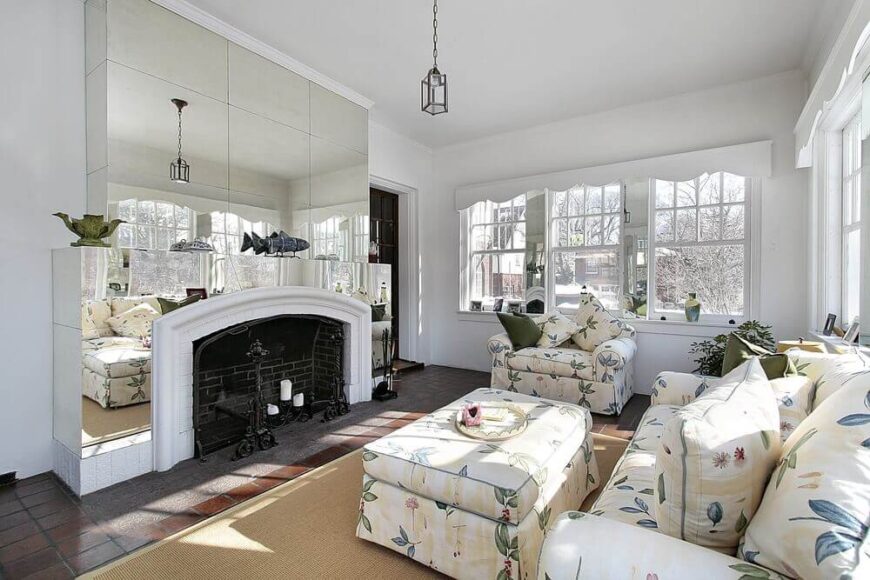
For those seeking to infuse their living room with a sense of luxury and drama, a chandelier is an unparalleled choice. Traditionally associated with formal dining rooms, modern chandeliers have evolved dramatically, offering designs that fit seamlessly into contemporary living spaces. From classic crystal cascades to minimalist geometric forms or even abstract art installations, chandeliers can become the undisputed centerpiece of your living room. The scale is crucial here; a chandelier that is too small will look lost, while one that is too large can overwhelm the space. They are particularly effective in rooms with higher ceilings, allowing their intricate designs to be fully appreciated. Modern trends also show chandeliers being reinterpreted with fresh materials and updated silhouettes, making them relevant for a wide range of interior styles.
Semi-Flush Mounts for Lower Ceilings
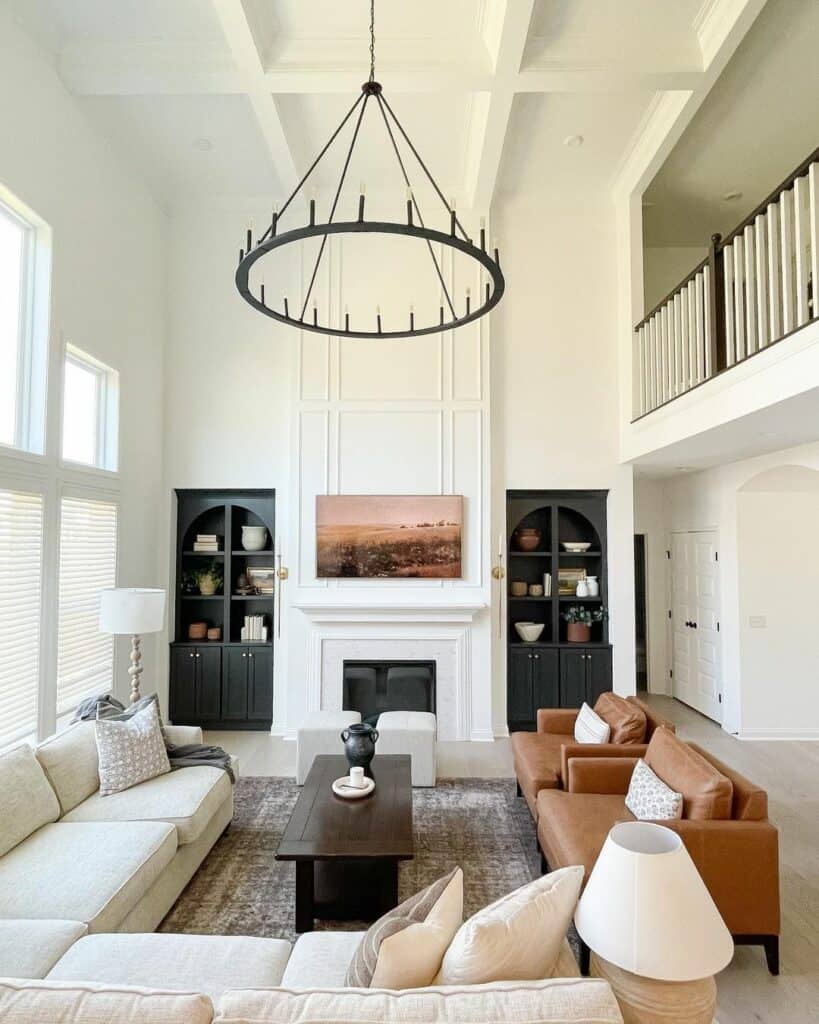
Not every living room boasts high ceilings suitable for grand pendants or chandeliers. For spaces with lower ceilings, a semi-flush mount fixture offers an excellent compromise. These lights are mounted close to the ceiling but feature a small gap between the fixture and the ceiling, allowing light to diffuse both downwards and upwards. This creates a softer, more even illumination than a full flush mount, while still maintaining a compact profile that doesn't encroach too much on headroom. Semi-flush mounts are available in diverse styles, from simple drum shades to more elaborate designs, providing visual interest without overwhelming the space. They maintain an elegant overhead presence without the substantial drop of a pendant or chandelier.
Statement Arc Floor Lamps (Alternative/Complementary)
While the primary focus is on lamps *over* the table, it's worth briefly mentioning arc floor lamps as an ingenious alternative or complement. If your ceiling doesn't allow for a direct overhead installation, or you prefer a more flexible lighting solution, an arc floor lamp can swoop gracefully over your coffee table. These lamps typically feature a heavy base and a long, curved arm that positions the light source directly above the table. They are versatile, portable (compared to fixed ceiling lights), and can create a similar focal point, often adding a touch of mid-century modern flair to the room. They are also ideal for renters or those who prefer not to deal with electrical wiring modifications.

Key Considerations When Selecting Your Lamp
Choosing the right lamp involves more than just liking its look. Practical considerations ensure it functions beautifully within your space.
Size and Scale: Finding the Right Proportion
Proportion is paramount. A general rule of thumb for overhead fixtures is that the diameter of the fixture should be about one-half to two-thirds the width of your coffee table. For example, if your coffee table is 40 inches wide, look for a fixture between 20 and 27 inches in diameter. The height at which the lamp hangs is equally important. It should typically be suspended about 30 to 36 inches above the tabletop in a living room. This ensures it's high enough not to obstruct views or conversation across the table but low enough to effectively light the surface and feel integrated into the seating arrangement. In rooms with exceptionally high ceilings, you might hang it a little higher, ensuring it still connects visually to the furniture below.
Style and Aesthetic Harmony
The lamp should harmonize with your existing decor. Are you aiming for an industrial vibe? Look for metal cages or exposed bulbs. Is your home Scandinavian? Opt for clean lines, natural wood, or muted tones. For a contemporary space, abstract or sculptural designs work well. A traditional room might call for a classic chandelier or a fabric-shaded pendant. The lamp should feel like an organic extension of your design story, not an afterthought. Consider the finish of the metal (brass, black, chrome) and the material of the shade (glass, fabric, wood, rattan) to ensure it complements other elements in the room, such as furniture legs, curtain rods, or decorative accents.
Light Output and Dimming Capabilities
The function of the light is as important as its form. For a living room, versatility is key. You'll want enough light for general ambiance, but also the ability to dim it for movie nights or intimate conversations. Look for fixtures that can accommodate bulbs with sufficient lumen output for your room size. More importantly, invest in a dimmer switch. This allows you to effortlessly adjust the light intensity, transforming the mood of the room from bright and functional to soft and cozy with a simple touch. Consider the color temperature of the bulbs too; warmer lights (2700K-3000K) create a more inviting atmosphere than cooler lights (above 4000K).
Installation and Ceiling Height
Practical installation aspects cannot be overlooked. For any overhead fixture, especially larger or heavier ones, ensure your ceiling can support the weight. You might need to locate a joist or install a special ceiling brace. If you're not comfortable with electrical work, it’s always best to hire a certified electrician for installation to ensure safety and proper wiring. Measure your ceiling height meticulously. As mentioned, the ideal hanging height is around 30-36 inches above the coffee table, but this can vary. A good test is to sit on your sofa and ensure the bottom of the fixture doesn't block your view or feel like it's crowding the space. Allow enough clearance for people to stand up without hitting their heads.
Current Lighting Trends for 2026
Keeping an eye on current trends can inspire your choice, ensuring your living room feels contemporary and fresh. Based on recent design insights:
Sculptural and Artistic Fixtures
Lighting is increasingly seen as an art form. Designers are moving towards fixtures that are not just functional but are sculptural masterpieces in their own right. Think unique shapes, organic forms, and unexpected materials like hand-blown glass, woven textures, or minimalist metal designs that double as modern art. These pieces become focal points even when not illuminated, adding significant character to a room.
Warmth and Personality
There's a strong shift towards creating spaces that feel warm, inviting, and deeply personal. This translates to lighting choices that emphasize cozy glows, textured materials (like rattan, fabric, or frosted glass), and designs that feel artisanal rather than mass-produced. Vintage-inspired lamps and those with a sense of history or unique character are particularly popular, adding depth and narrative to a space.
Layered Lighting for Ambiance
While not a new concept, the importance of layered lighting continues to be a dominant trend. Homeowners and designers are increasingly aware that a single overhead light is rarely sufficient. The overhead lamp above the coffee table should be part of a broader lighting scheme that includes floor lamps, table lamps, and perhaps even wall sconces to create a rich, multi-dimensional lighting experience that can be adapted for any activity or mood. This layered approach helps to eliminate harsh shadows and create a more cocooning, comfortable atmosphere.
Installation Tips and Safety
Always prioritize safety during installation. If you're replacing an existing fixture, ensure the power is off at the breaker. For new installations or if you're uncertain about electrical wiring or ceiling support, it is highly recommended to consult or hire a qualified electrician. They can ensure that the wiring is correct, the fixture is securely mounted, and all safety codes are met, preventing potential hazards and ensuring your beautiful new lamp functions perfectly for years to come.
Conclusion: Illuminate Your Living Space with Confidence
The lamp above your living room table is more than just a light source; it's a pivotal design element that influences the mood, style, and functionality of your entire living room. By carefully considering factors like type (pendants, chandeliers, semi-flush mounts), size, style, light output, and current trends, you can select a fixture that not only brilliantly illuminates your space but also serves as a captivating centerpiece. Approach your choice with thoughtful consideration, and you'll create a living room that is not only beautifully lit but also deeply inviting and perfectly reflective of your unique aesthetic.
Modern Home Living Design Ideas for a Cozy Sanctuary
Elevate Your Space: Inspiring Home Living Design Ideas for Modern Dwellings
Your home is more than just a place to live; it's a reflection of your personality, a sanctuary for relaxation, and a hub for creating cherished memories. In the ever-evolving world of interior design, staying abreast of fresh home living design ideas can transform your dwelling into a space that is both stylish and deeply personal. This article delves into contemporary trends, essential design elements, and popular aesthetics to inspire you in crafting your dream living environment.
Decoding Current Interior Design Trends (2025 & 2026 Insights)
The landscape of interior design is constantly shifting, influenced by global events, technological advancements, and a collective desire for spaces that cater to our well-being. The coming years point towards a blend of comfort, functionality, and aesthetic appeal, moving away from overly sterile or generic looks. Designers are increasingly focusing on creating environments that feel authentic and lived-in.
Embracing the "Homebody Era"
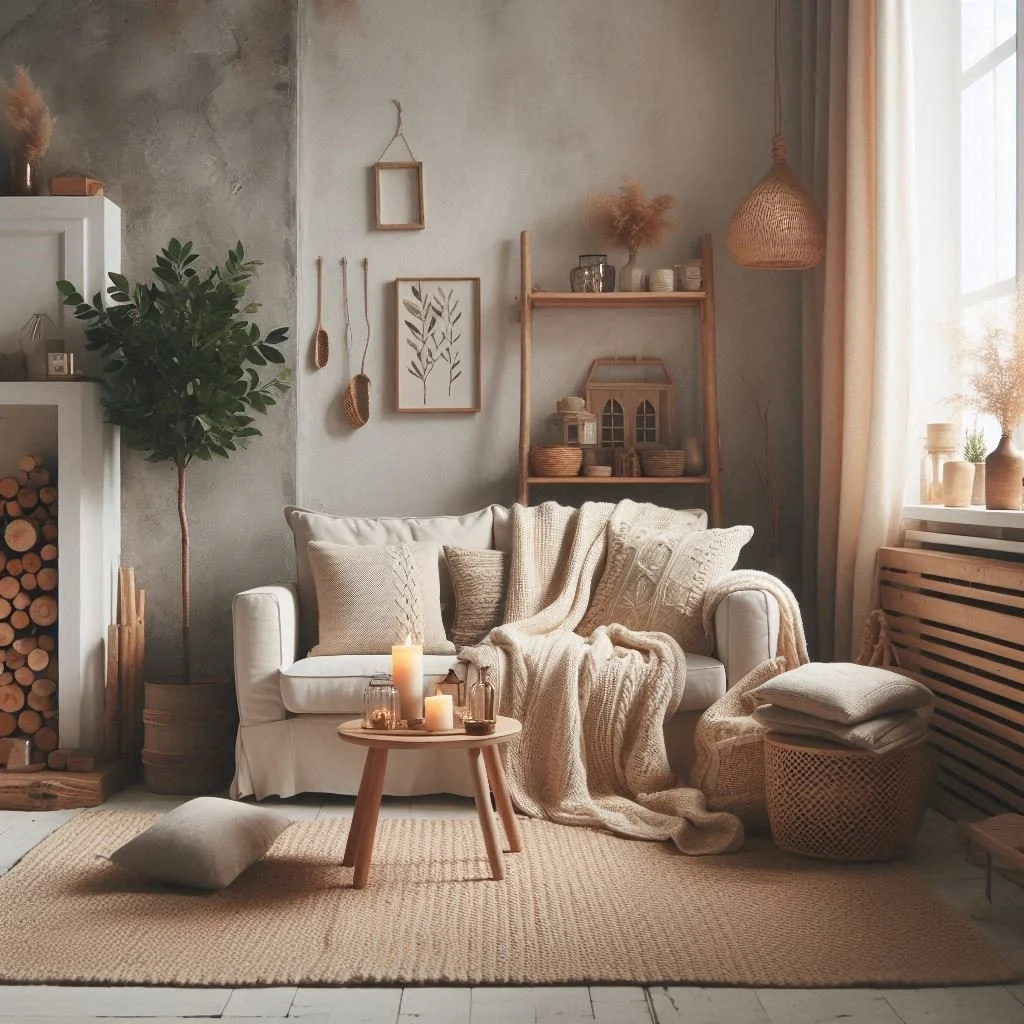
A significant shift in home living design emphasizes creating a personal retreat. The "Homebody Era" is all about transforming your house into a haven of comfort and tranquility. This means prioritizing plush textures, soft lighting, and functional yet inviting furniture that encourages relaxation. Think cozy reading nooks, luxurious throws, and an overall ambiance that makes you want to linger longer at home. Personalization is key, ensuring your space tells your unique story rather than mimicking a showroom.
The Rise of "Cozy Minimalism" and Bold Accents
Minimalism isn't disappearing, but it's evolving. The new wave, often dubbed "cozy minimalism," marries the clean lines and decluttered ethos of traditional minimalism with an added layer of warmth and texture. This trend incorporates natural materials like wood and stone, soft textiles, and a more inviting color palette. Alongside this, we're seeing strategic introductions of bold accents. While neutral bases remain popular, pops of rich greens, soothing blues, or even unexpected butter yellow are emerging to inject personality and vibrancy without overwhelming the space. This approach allows for a sophisticated yet comfortable aesthetic.
Sustainable and Eco-Friendly Living
Conscious living extends to our homes, with sustainable and eco-friendly design ideas gaining significant traction. Homeowners are increasingly seeking natural, ethically sourced materials, energy-efficient solutions, and pieces with a smaller environmental footprint. This includes incorporating reclaimed wood, bamboo, organic cottons, and repurposed vintage furniture. Biophilic design, which integrates natural elements like plants, natural light, and organic forms, is also a prominent feature, aiming to connect inhabitants with nature for enhanced well-being.

Essential Design Elements for Your Living Space
Regardless of your chosen style, certain foundational elements are crucial for a well-designed and functional living area. Paying attention to these aspects will lay the groundwork for a beautiful and harmonious home.
Smart Layouts for Every Room Size
The layout of your living room dramatically impacts its functionality and perceived spaciousness. Careful planning can make even the most challenging spaces feel expansive and welcoming.
Small Space Maximization
For smaller living rooms, the goal is to create an illusion of space while maintaining comfort. Opt for multi-functional furniture like ottomans with storage, sofa beds, or nesting tables. Furniture with exposed legs can make a room feel airier, as can wall-mounted shelves or floating cabinets that free up floor space. Strategic placement of mirrors can also visually expand the room. Focus on vertical storage to draw the eye upwards and keep clutter at bay.
Open-Plan Living Strategies
Open-plan kitchen and living room ideas require thoughtful zoning to define different areas without physical barriers. Use large area rugs to demarcate the living zone, and consider strategically placed furniture like a console table behind a sofa or a half-wall bookshelf to subtly separate spaces. Consistent flooring and a cohesive color palette throughout the open area will maintain a sense of flow and unity.
The Power of Color and Texture
Color schemes and textures are powerful tools for setting the mood and adding depth to your living space. They can evoke emotions, highlight architectural features, and create a sense of cohesion.
Choosing Your Palette
Start with a base color, usually a neutral, for walls and larger furniture pieces. Then, introduce accent colors through cushions, artwork, and decor. Warm neutrals like beige, cream, and soft greys provide a calming backdrop, while cooler tones like light blues and greens can create a serene atmosphere. Don't shy away from experimenting with a feature wall or a bold piece of furniture to add visual interest.
Textural Harmony
Texture adds a tactile dimension that makes a room feel more inviting and layered. Combine different textures such as a chunky knit throw, a velvet sofa, a jute rug, and wooden accents. This interplay of soft and hard, smooth and rough, prevents a room from feeling flat and adds a luxurious feel. Even a single textured piece can significantly elevate the overall aesthetic.
Lighting: More Than Just Illumination
Effective lighting is paramount in home living design, serving both practical and aesthetic purposes. It can alter the perception of space, highlight key features, and create a desired ambiance.
Layering Light Sources
A well-lit room utilizes a combination of ambient, task, and accent lighting. Ambient lighting, such as recessed lights or a central ceiling fixture, provides overall illumination. Task lighting, like floor lamps next to a reading chair or table lamps on side tables, focuses light where needed. Accent lighting, like picture lights or uplights for plants, highlights specific features and adds a touch of drama. Using dimmers allows you to adjust the intensity and mood of the room throughout the day.
Popular Home Living Design Styles to Inspire You
Exploring various design styles can help you pinpoint the aesthetic that resonates most with your personal taste and lifestyle.
Modern & Contemporary Design
Characterized by clean lines, minimalist approaches, and a focus on functionality, modern and contemporary designs remain popular. They often feature open spaces, uncluttered surfaces, and a palette of neutral colors with occasional bold accents. Furniture is typically sleek, geometric, and understated. This style emphasizes simplicity, form, and a timeless elegance that avoids fleeting trends.
Rustic & Country Charm
For those who crave warmth and a connection to nature, rustic and country living room ideas offer a comforting embrace. This style embraces natural materials like distressed wood, stone, and woven fabrics. Elements such as exposed beams, a stone fireplace, and vintage-inspired decor contribute to a cozy, inviting atmosphere. The focus is on comfort and a lived-in feel, often incorporating antique or handcrafted pieces.
Coastal & Boho Vibes
Coastal design evokes the serene tranquility of the seaside with light, airy spaces, natural textures, and a refreshing color palette of whites, blues, and sandy neutrals. Boho-chic, on the other hand, celebrates eclectic tastes, vibrant patterns, global influences, and a relaxed, free-spirited aesthetic. Both styles prioritize comfort and natural elements but achieve their distinct looks through different interpretations of color, pattern, and decor.
Personalizing Your Home: Beyond the Trends
While trends offer inspiration, the most successful home living design is one that truly reflects its inhabitants. Your home should be a canvas for your life experiences and passions.
Incorporating Personal Touches
Infuse your personality into your space by thoughtfully displaying items that hold meaning to you. Curate your artwork, showcase travel souvenirs, or arrange family photos in elegant frames (avoiding excessive "shrines" that can feel cluttered). These personal elements make a house a home, creating a unique and inviting atmosphere that cannot be replicated.
Creating Functional Zones (e.g., Home Office)
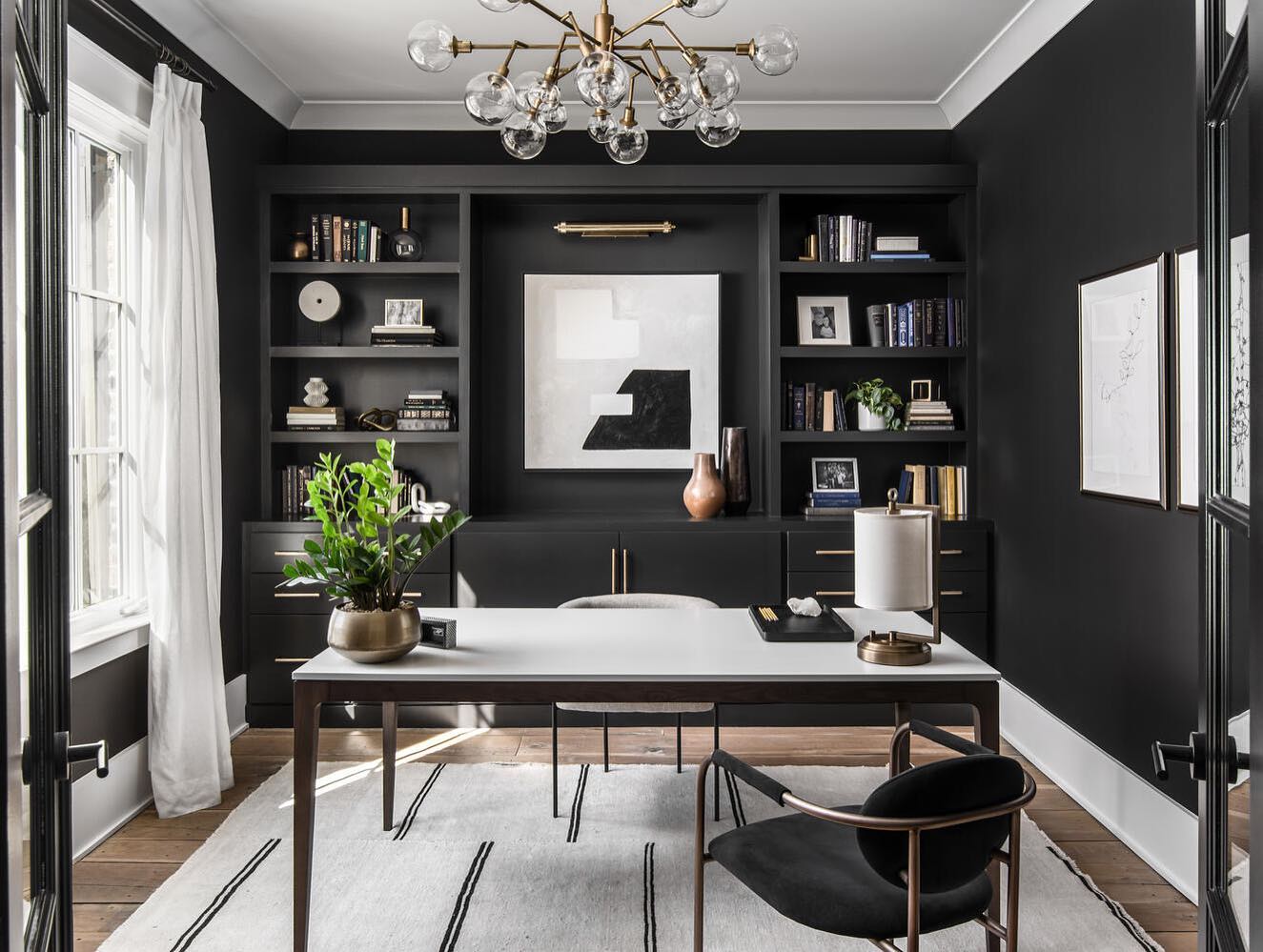
With the rise of remote work, integrating a functional home office into your living space has become essential for many. This doesn't mean sacrificing aesthetics. Utilize clever furniture solutions like a discreet desk integrated into a bookshelf, a corner designated with a stylish desk and comfortable chair, or a foldable desk that can be tucked away. The key is to create a distinct workspace that blends seamlessly with the living area's overall design.
Mistakes to Avoid in Home Design
Even with the best intentions, some common pitfalls can detract from your home's aesthetic and functionality. One major mistake is blindly following every trend. While trends provide inspiration, not all will suit your home's architecture or your personal taste. Another common error is ignoring scale – furniture that is too large or too small for a room can make it feel awkward. Lastly, avoid excessive clutter; even the most beautiful decor can lose its charm amidst disarray.
Conclusion: Your Home, Your Sanctuary
Designing your living space is an exciting journey of self-expression and creativity. By understanding current trends like the "Homebody Era" and "Cozy Minimalism," mastering essential elements like smart layouts and layered lighting, and drawing inspiration from various design styles, you can create a home that is both beautiful and functional. Remember, the ultimate goal is to craft a sanctuary that reflects who you are and provides comfort and joy for years to come. Your home is your canvas – paint it with purpose and passion.
Fresh Patio Design Ideas to Transform Your Backyard
Elevate Your Outdoor Living: Inspiring Patio Design Ideas for Every Home
A patio is more than just an outdoor slab; it's an extension of your living space, a sanctuary for relaxation, and a prime spot for entertaining. As we increasingly seek to blur the lines between indoor comfort and outdoor serenity, thoughtful patio design has become a cornerstone of modern home aesthetics. Whether you're dreaming of a sprawling al fresco dining area, a cozy reading nook, or a vibrant entertainment hub, the right design can transform your backyard into an idyllic oasis.
The beauty of patio design lies in its versatility. With an array of materials, styles, and features available, you can tailor your outdoor space to perfectly match your lifestyle, home architecture, and personal taste. From minimalist urban balconies to expansive rustic retreats, the possibilities are virtually endless. This article will guide you through a wealth of inspiring patio design ideas, helping you navigate the choices and create an outdoor haven you'll cherish for years to come.
Planning Your Dream Patio: Key Considerations
Before diving into specific design aesthetics, a successful patio project begins with careful planning. Understanding the foundational elements of your space and needs will ensure a functional and beautiful outcome.
Understanding Your Space and Needs
Begin by evaluating the size and shape of your existing or proposed patio area. A small backyard or balcony will require different solutions than a large, open space. Consider how you intend to use the patio most often. Will it primarily be for:
- Dining with family and friends?
- Lounge and relaxation?
- Outdoor cooking and entertaining?
- A quiet retreat for reading or morning coffee?
- A play area for children or pets?
Each function will dictate the layout, necessary furniture, and additional features. Also, take into account your home's architectural style. A modern home might benefit from a sleek, contemporary patio, while a traditional house could be complemented by a more classic or rustic design. Finally, assess your budget. This will significantly influence your material choices, furniture selections, and the scope of your project.
Choosing the Right Materials
The foundation of your patio sets the tone for its entire design. Selecting the right materials is crucial for both aesthetics and durability.
Pavers: Versatility and Durability
Pavers are a popular choice due to their incredible versatility, durability, and ease of repair. Available in a vast array of materials, including concrete, brick, and natural stone, they offer endless design possibilities. You can create intricate patterns, define different zones, and choose from various colors and textures to complement your home. Concrete pavers are budget-friendly and come in many shapes and sizes, mimicking the look of natural stone or brick. Brick pavers offer a classic, warm aesthetic, while natural stone pavers like travertine or bluestone provide an upscale, organic feel.
Concrete: Modern and Customizable
Concrete patios have come a long way from plain gray slabs. Modern techniques allow for stunning customization, making concrete a versatile and cost-effective option. Stamped concrete can mimic the appearance of brick, stone, or even wood, complete with realistic textures. Stained concrete offers a rich palette of colors, transforming the surface into a vibrant and unique design element. Polished concrete provides a sleek, contemporary look, perfect for modern minimalist designs. Concrete is also extremely durable and requires minimal maintenance.
Wood/Composite Decking: Warmth and Natural Appeal
While technically a deck, wood or composite decking can often serve a similar function to a patio, especially when built at ground level. Wood offers natural warmth and a classic appeal, but requires regular maintenance like sealing and staining. Composite decking, made from a blend of wood fibers and plastic, offers the look of wood with significantly less upkeep, resisting rot, insects, and fading. Both options create a comfortable, inviting surface underfoot and can seamlessly extend from indoor living areas.
Natural Stone: Elegance and Longevity
For unparalleled elegance and timeless beauty, natural stone remains a top choice. Flagstone, with its irregular shapes and earthy tones, creates a charming, informal look. Bluestone offers a more uniform appearance with beautiful blue-gray hues, ideal for formal or contemporary designs. Granite, slate, and travertine are other luxurious options, each bringing unique textures and colors. Natural stone is incredibly durable and can withstand various weather conditions, developing a beautiful patina over time.
Popular Patio Design Styles to Inspire You
Once you've considered the practicalities, it's time to explore the aesthetic styles that resonate with you.
Modern Minimalist Patio

Embrace simplicity with a modern minimalist patio. This style focuses on clean lines, uncluttered spaces, and a neutral color palette of grays, whites, and blacks, often accented with natural wood tones. Furniture is sleek and functional, without excessive ornamentation. Key elements include smooth concrete or large format pavers, understated planters with architectural plants like succulents or grasses, and subtle integrated lighting. The goal is a serene, sophisticated space that feels open and airy.
Rustic and Natural Patio

For a warm, inviting atmosphere that blends seamlessly with the outdoors, a rustic and natural patio is ideal. This style often features materials like flagstone, reclaimed wood, and gravel. Earthy tones dominate, complemented by abundant, natural-looking greenery. Consider incorporating a stone fire pit, comfortable oversized furniture with natural fabric cushions, and perhaps a small herb garden. The aim is to create a relaxed, organic feel that encourages connection with nature.
Cozy and Inviting Patio
Transform your patio into an outdoor living room with a cozy and inviting design. Focus on comfort with plush outdoor sofas and chairs, layered with soft throws and decorative pillows. An outdoor rug can define the space and add warmth underfoot. String lights, lanterns, and candles create a magical glow in the evenings. Incorporate small tables for drinks and snacks, and perhaps a gentle water feature for soothing sounds. This style is perfect for intimate gatherings and quiet evenings.
Mediterranean or European-Inspired Patio
Evoke the charm of the Mediterranean with a patio featuring terracotta tiles, intricate mosaic details, and vibrant, sun-loving plants. Arches, wrought iron accents, and rustic wooden furniture contribute to this timeless aesthetic. Incorporate a small fountain or a stone planter for a touch of old-world charm. Colors often include warm yellows, deep blues, and earthy reds, reflecting the sun-drenched landscapes of southern Europe.
Bohemian Chic Patio
For those who love eclectic, free-spirited decor, a Bohemian chic patio offers a relaxed and artistic vibe. This style thrives on layered textures, patterned textiles, and a mix of vintage and handcrafted items. Think macrame hangings, floor cushions, colorful outdoor rugs, and an abundance of potted plants. String lights, Moroccan lanterns, and comfortable, low-slung furniture complete the look. It's a style that encourages creative expression and a laid-back lifestyle.
Essential Elements for a Functional and Beautiful Patio
Beyond the overall style, specific elements contribute significantly to the functionality and beauty of your patio.
Comfortable Seating and Furniture
The right furniture is paramount. Choose pieces that are not only aesthetically pleasing but also comfortable and durable for outdoor use. Sectionals are excellent for creating a cohesive lounge area, while dining sets allow for al fresco meals. Individual lounge chairs or egg chairs offer personal relaxation spots. Materials like weather-resistant wicker, aluminum, wrought iron (which is currently trending for a vintage European summer feel), and treated wood are popular choices. Ensure cushions are made from outdoor-grade fabrics that resist fading and mildew.
Ambiance-Setting Lighting

String Lights and Lanterns
String lights, often called bistro or fairy lights, add instant charm and a warm, inviting glow. Drape them across a pergola, along fences, or over seating areas. Solar-powered lanterns and LED candles provide soft ambient light, perfect for intimate evenings.
Pathway Lighting and Spotlights
For safety and to highlight architectural features or landscaping, consider pathway lighting and subtle spotlights. Integrated deck lights or low-voltage path lights can guide movement and create visual interest without being overpowering.
Enhancing Privacy and Shade
Privacy and shade are key to enjoying your patio, especially during warmer months or if your space is overlooked.
Pergolas and Awnings
Pergolas offer a structural element that defines the patio space while providing partial shade. You can enhance shade further by adding climbing vines, retractable canopies, or shade sails. Retractable awnings offer flexible shade solutions, allowing you to enjoy both sun and shade as desired.
Strategic Planting and Screens
Tall, dense hedges, bamboo screens, or strategically placed potted trees and shrubs can create natural privacy barriers. Lattice panels or decorative outdoor screens offer an elegant way to block views while adding a design element.
Incorporating Greenery and Water Features
Plants bring life and color to any patio. Potted plants of varying sizes and heights add visual interest and can be easily rearranged. Vertical gardens are an excellent solution for small spaces, maximizing greenery without taking up floor space. A small, self-contained water fountain can introduce soothing sounds and a sense of tranquility, masking urban noise.
The Warmth of Fire Features
A fire feature instantly adds warmth, ambiance, and a focal point to your patio, making it enjoyable even on cooler evenings. Portable fire pits are versatile and can be moved as needed, while built-in fire pits offer a more permanent and integrated design element. Outdoor fireplaces provide a grander statement and a more structured gathering space.
Outdoor Kitchens and Dining Zones
For the ultimate outdoor entertaining experience, consider incorporating an outdoor kitchen. This can range from a simple grill station with prep space to a full-fledged kitchen with a sink, refrigerator, and bar seating. Even without a full kitchen, a dedicated dining zone with a stylish table and comfortable chairs is essential for al fresco meals.
Patio Design Ideas for Specific Spaces
Tailoring your design to your specific space is crucial for maximizing its potential.
Small Patio Solutions
Don't let a small space deter you. Embrace multi-functional furniture, like benches with built-in storage or foldable tables. Utilize vertical space with wall-mounted planters or shelves. Opt for compact, scaled-down furniture and mirrors to create the illusion of a larger area. A cohesive color scheme can also make a small patio feel more expansive and less cluttered.
Patios with Pools
If you have a pool, your patio design should seamlessly integrate with it. Choose slip-resistant materials like certain pavers or textured concrete for safety. Incorporate comfortable loungers, umbrellas, and perhaps a cabana or shaded area for poolside relaxation. Water-resistant plants and elegant lighting can enhance the resort-like feel around your pool patio.
Budget-Friendly Patio Makeovers
Transforming your patio doesn't have to break the bank. DIY projects like stenciling concrete, building simple planter boxes, or creating custom outdoor cushions can save costs. Repurpose old furniture with a fresh coat of paint or new upholstery. Utilize budget-friendly materials like gravel or pea pebbles for flooring in certain areas. Smart lighting choices, like solar string lights, offer great impact without high electricity costs.
Trends to Consider (and Outdated Ones to Avoid)
Keeping an eye on current trends can add a fresh, contemporary feel to your patio, but be mindful of fleeting fads versus timeless design.
Emerging Trends for 2025/2026
Designers predict a continued emphasis on "bringing the indoors out," creating seamless transitions between interior and exterior spaces. This includes using comfortable, upholstered outdoor furniture that mimics indoor styles and integrating smart outdoor technology for lighting, sound, and climate control. Natural textures, sustainable materials, and a focus on wellness-oriented designs (think calm, meditative spaces) are also on the rise. Outdoor rugs with natural fibers and bold, yet sophisticated, patterns are also gaining popularity.
What to Skip
While personal preference always rules, some trends can quickly make a patio feel dated. Overly thematic decor that isn't subtle, harsh artificial plants that don't look realistic, or specific, garish color palettes that were popular years ago might be best avoided in favor of more timeless and versatile choices. Focus on quality, comfort, and elements that truly enhance your connection to the outdoors rather than quick fads.
Conclusion
Designing your patio is an exciting journey that allows you to extend your living space and enhance your connection with the outdoors. By carefully considering your needs, choosing appropriate materials, and embracing a style that reflects your personality, you can create a patio that is not only beautiful but also a joy to use. Whether you opt for a modern oasis, a rustic retreat, or a cozy outdoor living room, remember that the best patio is one that invites you to step outside, relax, and savor life in the open air.

