Elevate Your Space: Inspiring Home Living Design Ideas for Modern Dwellings
Your home is more than just a place to live; it's a reflection of your personality, a sanctuary for relaxation, and a hub for creating cherished memories. In the ever-evolving world of interior design, staying abreast of fresh home living design ideas can transform your dwelling into a space that is both stylish and deeply personal. This article delves into contemporary trends, essential design elements, and popular aesthetics to inspire you in crafting your dream living environment.
Decoding Current Interior Design Trends (2025 & 2026 Insights)
The landscape of interior design is constantly shifting, influenced by global events, technological advancements, and a collective desire for spaces that cater to our well-being. The coming years point towards a blend of comfort, functionality, and aesthetic appeal, moving away from overly sterile or generic looks. Designers are increasingly focusing on creating environments that feel authentic and lived-in.
Embracing the "Homebody Era"
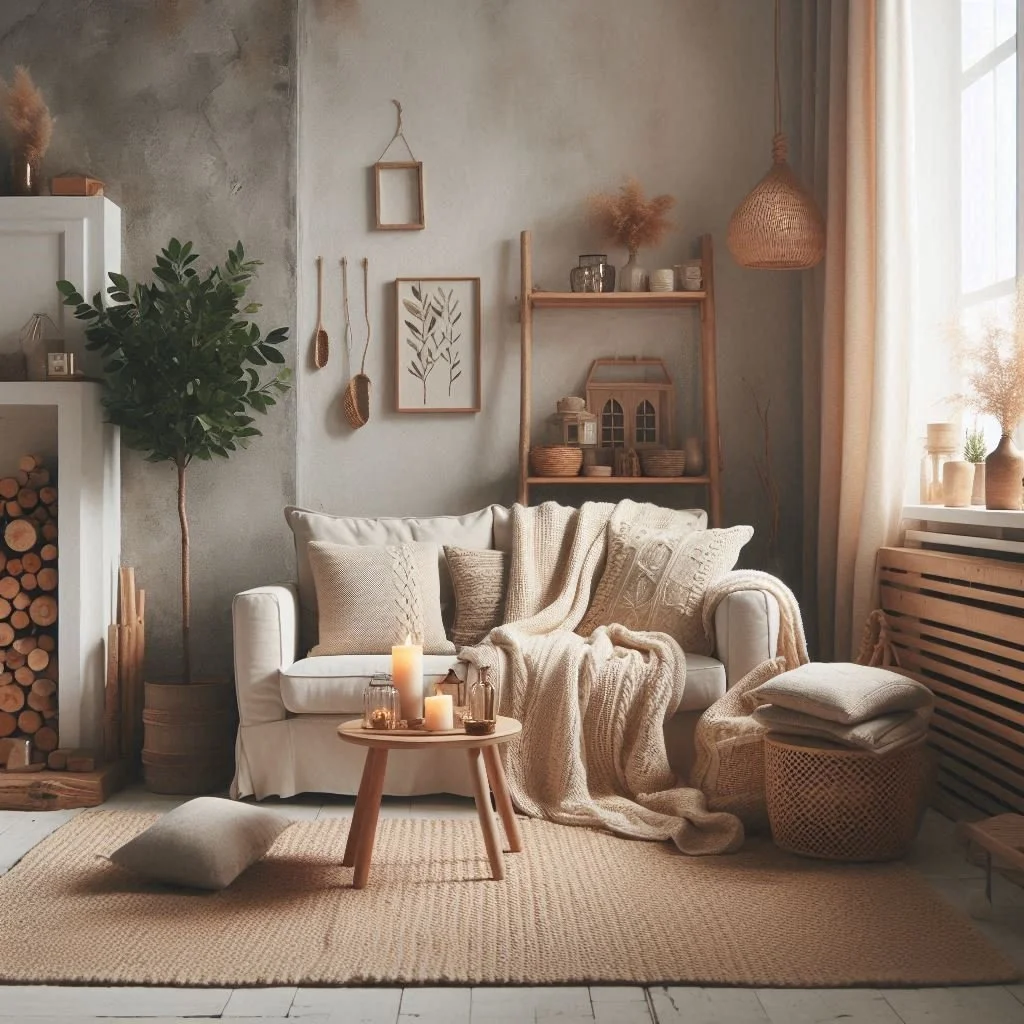
A significant shift in home living design emphasizes creating a personal retreat. The "Homebody Era" is all about transforming your house into a haven of comfort and tranquility. This means prioritizing plush textures, soft lighting, and functional yet inviting furniture that encourages relaxation. Think cozy reading nooks, luxurious throws, and an overall ambiance that makes you want to linger longer at home. Personalization is key, ensuring your space tells your unique story rather than mimicking a showroom.
The Rise of "Cozy Minimalism" and Bold Accents
Minimalism isn't disappearing, but it's evolving. The new wave, often dubbed "cozy minimalism," marries the clean lines and decluttered ethos of traditional minimalism with an added layer of warmth and texture. This trend incorporates natural materials like wood and stone, soft textiles, and a more inviting color palette. Alongside this, we're seeing strategic introductions of bold accents. While neutral bases remain popular, pops of rich greens, soothing blues, or even unexpected butter yellow are emerging to inject personality and vibrancy without overwhelming the space. This approach allows for a sophisticated yet comfortable aesthetic.
Sustainable and Eco-Friendly Living
Conscious living extends to our homes, with sustainable and eco-friendly design ideas gaining significant traction. Homeowners are increasingly seeking natural, ethically sourced materials, energy-efficient solutions, and pieces with a smaller environmental footprint. This includes incorporating reclaimed wood, bamboo, organic cottons, and repurposed vintage furniture. Biophilic design, which integrates natural elements like plants, natural light, and organic forms, is also a prominent feature, aiming to connect inhabitants with nature for enhanced well-being.

Essential Design Elements for Your Living Space
Regardless of your chosen style, certain foundational elements are crucial for a well-designed and functional living area. Paying attention to these aspects will lay the groundwork for a beautiful and harmonious home.
Smart Layouts for Every Room Size
The layout of your living room dramatically impacts its functionality and perceived spaciousness. Careful planning can make even the most challenging spaces feel expansive and welcoming.
Small Space Maximization
For smaller living rooms, the goal is to create an illusion of space while maintaining comfort. Opt for multi-functional furniture like ottomans with storage, sofa beds, or nesting tables. Furniture with exposed legs can make a room feel airier, as can wall-mounted shelves or floating cabinets that free up floor space. Strategic placement of mirrors can also visually expand the room. Focus on vertical storage to draw the eye upwards and keep clutter at bay.
Open-Plan Living Strategies
Open-plan kitchen and living room ideas require thoughtful zoning to define different areas without physical barriers. Use large area rugs to demarcate the living zone, and consider strategically placed furniture like a console table behind a sofa or a half-wall bookshelf to subtly separate spaces. Consistent flooring and a cohesive color palette throughout the open area will maintain a sense of flow and unity.
The Power of Color and Texture
Color schemes and textures are powerful tools for setting the mood and adding depth to your living space. They can evoke emotions, highlight architectural features, and create a sense of cohesion.
Choosing Your Palette
Start with a base color, usually a neutral, for walls and larger furniture pieces. Then, introduce accent colors through cushions, artwork, and decor. Warm neutrals like beige, cream, and soft greys provide a calming backdrop, while cooler tones like light blues and greens can create a serene atmosphere. Don't shy away from experimenting with a feature wall or a bold piece of furniture to add visual interest.
Textural Harmony
Texture adds a tactile dimension that makes a room feel more inviting and layered. Combine different textures such as a chunky knit throw, a velvet sofa, a jute rug, and wooden accents. This interplay of soft and hard, smooth and rough, prevents a room from feeling flat and adds a luxurious feel. Even a single textured piece can significantly elevate the overall aesthetic.
Lighting: More Than Just Illumination
Effective lighting is paramount in home living design, serving both practical and aesthetic purposes. It can alter the perception of space, highlight key features, and create a desired ambiance.
Layering Light Sources
A well-lit room utilizes a combination of ambient, task, and accent lighting. Ambient lighting, such as recessed lights or a central ceiling fixture, provides overall illumination. Task lighting, like floor lamps next to a reading chair or table lamps on side tables, focuses light where needed. Accent lighting, like picture lights or uplights for plants, highlights specific features and adds a touch of drama. Using dimmers allows you to adjust the intensity and mood of the room throughout the day.
Popular Home Living Design Styles to Inspire You
Exploring various design styles can help you pinpoint the aesthetic that resonates most with your personal taste and lifestyle.
Modern & Contemporary Design
Characterized by clean lines, minimalist approaches, and a focus on functionality, modern and contemporary designs remain popular. They often feature open spaces, uncluttered surfaces, and a palette of neutral colors with occasional bold accents. Furniture is typically sleek, geometric, and understated. This style emphasizes simplicity, form, and a timeless elegance that avoids fleeting trends.
Rustic & Country Charm
For those who crave warmth and a connection to nature, rustic and country living room ideas offer a comforting embrace. This style embraces natural materials like distressed wood, stone, and woven fabrics. Elements such as exposed beams, a stone fireplace, and vintage-inspired decor contribute to a cozy, inviting atmosphere. The focus is on comfort and a lived-in feel, often incorporating antique or handcrafted pieces.
Coastal & Boho Vibes
Coastal design evokes the serene tranquility of the seaside with light, airy spaces, natural textures, and a refreshing color palette of whites, blues, and sandy neutrals. Boho-chic, on the other hand, celebrates eclectic tastes, vibrant patterns, global influences, and a relaxed, free-spirited aesthetic. Both styles prioritize comfort and natural elements but achieve their distinct looks through different interpretations of color, pattern, and decor.
Personalizing Your Home: Beyond the Trends
While trends offer inspiration, the most successful home living design is one that truly reflects its inhabitants. Your home should be a canvas for your life experiences and passions.
Incorporating Personal Touches
Infuse your personality into your space by thoughtfully displaying items that hold meaning to you. Curate your artwork, showcase travel souvenirs, or arrange family photos in elegant frames (avoiding excessive "shrines" that can feel cluttered). These personal elements make a house a home, creating a unique and inviting atmosphere that cannot be replicated.
Creating Functional Zones (e.g., Home Office)
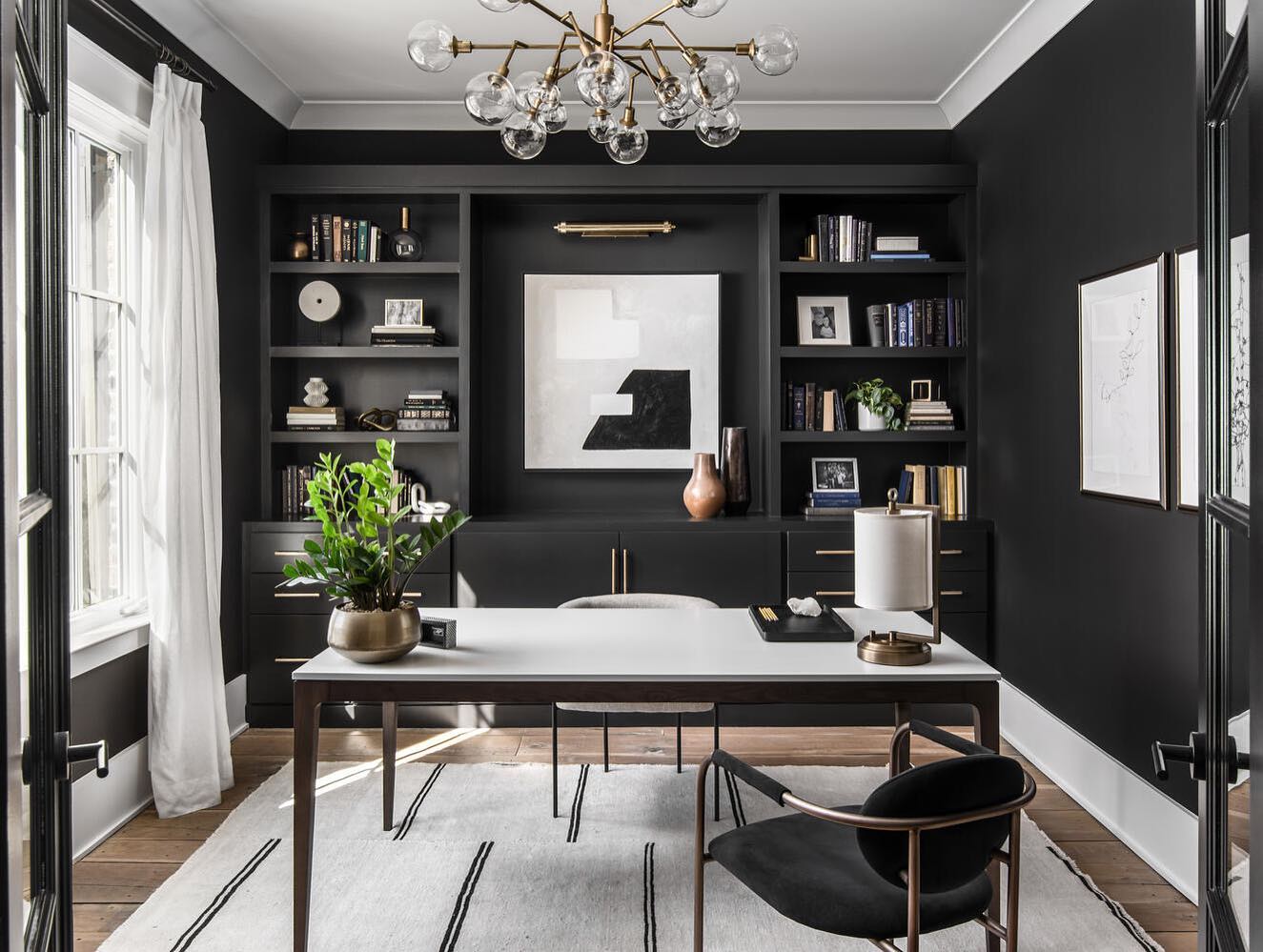
With the rise of remote work, integrating a functional home office into your living space has become essential for many. This doesn't mean sacrificing aesthetics. Utilize clever furniture solutions like a discreet desk integrated into a bookshelf, a corner designated with a stylish desk and comfortable chair, or a foldable desk that can be tucked away. The key is to create a distinct workspace that blends seamlessly with the living area's overall design.
Mistakes to Avoid in Home Design
Even with the best intentions, some common pitfalls can detract from your home's aesthetic and functionality. One major mistake is blindly following every trend. While trends provide inspiration, not all will suit your home's architecture or your personal taste. Another common error is ignoring scale – furniture that is too large or too small for a room can make it feel awkward. Lastly, avoid excessive clutter; even the most beautiful decor can lose its charm amidst disarray.
Conclusion: Your Home, Your Sanctuary
Designing your living space is an exciting journey of self-expression and creativity. By understanding current trends like the "Homebody Era" and "Cozy Minimalism," mastering essential elements like smart layouts and layered lighting, and drawing inspiration from various design styles, you can create a home that is both beautiful and functional. Remember, the ultimate goal is to craft a sanctuary that reflects who you are and provides comfort and joy for years to come. Your home is your canvas – paint it with purpose and passion.

